

Comment fonctionne l'intégration au réseau pour les systèmes solaires intégrés à grande échelle ?
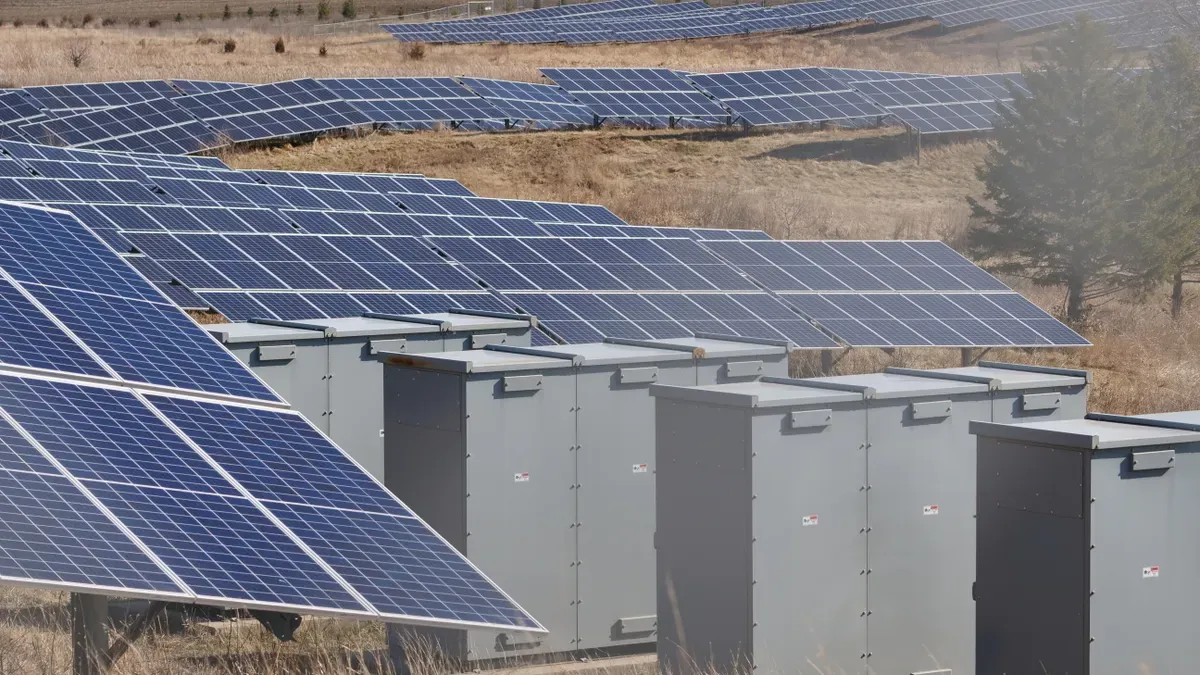
Vous raccordez directement les systèmes solaires intégrés à grande échelle au réseau électrique grâce à une technologie d'onduleurs avancée et des protocoles de conformité adaptés aux opérations commerciales. Cette intégration permet à votre entreprise de bénéficier d'une production d'énergie solaire stable, ce qui améliore l'efficacité opérationnelle et renforce la fiabilité de l'approvisionnement. En cas de coupures de réseau inattendues, des solutions comme Alimentation de secours Assurez la continuité de votre activité en maintenant l'approvisionnement en énergie. Une intégration fiable au réseau soutient vos stratégies de gestion de l'énergie, vous permettant de maximiser la valeur de votre investissement solaire et de maintenir la performance de votre entreprise grâce à un système solaire intégré.
L'intégration des systèmes solaires au réseau électrique améliore l'efficacité énergétique et la fiabilité des entreprises.
Choisir la bonne technologie de modules solaires peut améliorer considérablement la production d'énergie et les performances à long terme.
Une technologie d'onduleur efficace et un comptage bidirectionnel sont essentiels pour optimiser la gestion de l'énergie solaire.
Le système de comptage net permet aux entreprises de gagner des crédits pour l'énergie solaire excédentaire, réduisant ainsi leurs coûts d'exploitation.
Investir dans des systèmes de stockage d'énergie par batteries garantit un approvisionnement énergétique stable et maximise la valeur des investissements solaires.
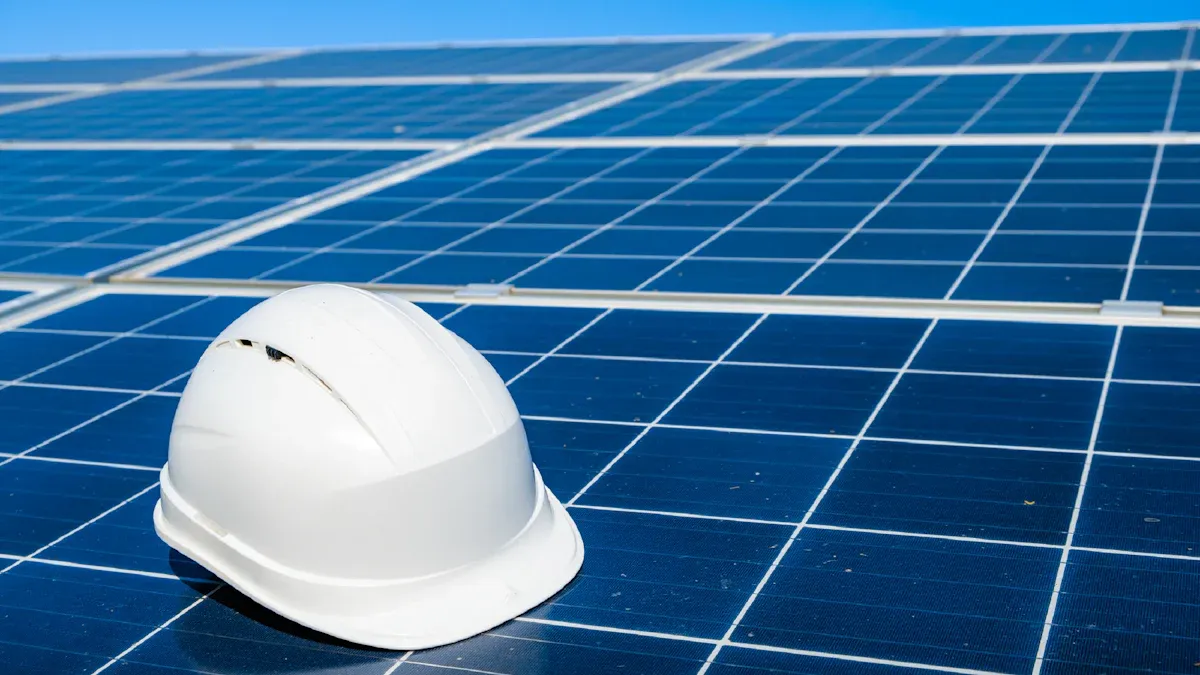
L'intégration de l'énergie solaire au réseau commence par une production et une captation efficaces de l'énergie solaire. Les systèmes solaires commerciaux utilisent des modules photovoltaïques de pointe pour maximiser la production d'énergie. Les technologies les plus courantes comprennent les modules TOPCon de type N, les modules PERC et les modules bifaciaux. Chaque type présente des avantages spécifiques pour l'intégration de l'énergie solaire au réseau dans les environnements commerciaux.
Type de technologie | Description | Caractéristiques principales |
|---|---|---|
Modules TOPCon de type N | Offre des performances exceptionnelles à haute température | Haute efficacité |
Module PERC | Performances optimales dans des climats variés | Polyvalent et fiable |
Modules bifaciaux | Capture la lumière réfléchie pour la production d'énergie excédentaire | Rendement énergétique accru |
Onduleurs | Convertit le courant continu des panneaux en courant alternatif pour la compatibilité avec le réseau. | Essentiel pour l'intégration au réseau solaire |
batterie LiFePO4 | Fournit un stockage d'énergie sûr et à décharge profonde | Soutient la demande de pointe et la stabilité du réseau |
Vous installez ces modules solaires à des emplacements optimaux pour capter un maximum de lumière solaire. Des électriciens certifiés se chargent du câblage, garantissant ainsi un raccordement parfait de chaque panneau au réseau électrique principal. Cette étape jette les bases d'une intégration fiable de l'énergie solaire au réseau, permettant à votre entreprise de produire de l'énergie propre et de se préparer à la phase suivante.
Conseil: Choisir la bonne technologie de modules solaires peut avoir un impact significatif sur le rendement énergétique de votre système et sur ses performances à long terme en matière d'intégration au réseau solaire.
La technologie des onduleurs joue un rôle essentiel dans l'intégration de l'énergie solaire au réseau. Les onduleurs convertissent le courant continu (CC) produit par les panneaux solaires en courant alternatif (CA), compatible avec les exigences du réseau. Les onduleurs modernes affichent des rendements compris entre 96 % et 99 %, certains modèles atteignant même 98,4 %. Ce rendement élevé garantit des pertes d'énergie minimales lors de la conversion, optimisant ainsi la rentabilité de votre investissement solaire.
On utilise également des compteurs bidirectionnels pour l'intégration des installations solaires commerciales au réseau. Ces compteurs mesurent à la fois l'énergie importée du réseau et celle injectée. Grâce au système de comptage net, vous pouvez obtenir des crédits pour l'excédent d'énergie solaire injectée dans le réseau, ce qui réduit vos coûts d'électricité. Lorsque le contrôle des injections est interdit, les compteurs bidirectionnels communiquent avec les onduleurs afin d'empêcher tout excédent d'énergie d'être injecté dans le réseau, garantissant ainsi la conformité et la stabilité du système.
Note: Une technologie d'onduleur efficace et un comptage bidirectionnel précis sont essentiels pour une intégration harmonieuse au réseau solaire et une gestion optimale de l'énergie.
Le raccordement de votre installation solaire commerciale au réseau électrique comprend plusieurs étapes cruciales. Vous devez vous coordonner avec les experts du fournisseur d'énergie et soumettre une demande à ce dernier. Après l'installation, vous obtenez l'autorisation de mise en service (AMS), garantissant ainsi que votre système respecte toutes les exigences techniques et réglementaires en matière d'intégration au réseau solaire.
Les principales étapes du raccordement d'un système solaire intégré commercial au réseau comprennent :
Intégration du système et raccordement aux services publics avec coordination d'experts.
Intégration électrique réalisée par des professionnels certifiés pour un câblage sécurisé.
Mise en place du comptage net et interconnexion au réseau, y compris les formalités administratives et les inspections.
Mise en service et tests rigoureux pour vérifier les performances optimales.
Vous devez respecter les codes du bâtiment commercial, le Code national de l'électricité (NEC) et le Code international du bâtiment (IBC). Une documentation technique détaillée est requise pour l'obtention des permis et autorisations. Le respect des normes d'interconnexion garantit le fonctionnement sûr et efficace de votre système solaire au sein du réseau. La conformité aux codes du réseau protège contre les fluctuations de tension et de fréquence, assurant ainsi une intégration fiable de l'énergie solaire au réseau.
Vous pourriez rencontrer des difficultés telles que des limitations de capacité du réseau, des procédures administratives complexes et des considérations financières. La prise en compte de ces exigences est essentielle pour une intégration réussie de l'énergie solaire au réseau et une fiabilité énergétique durable pour votre entreprise.
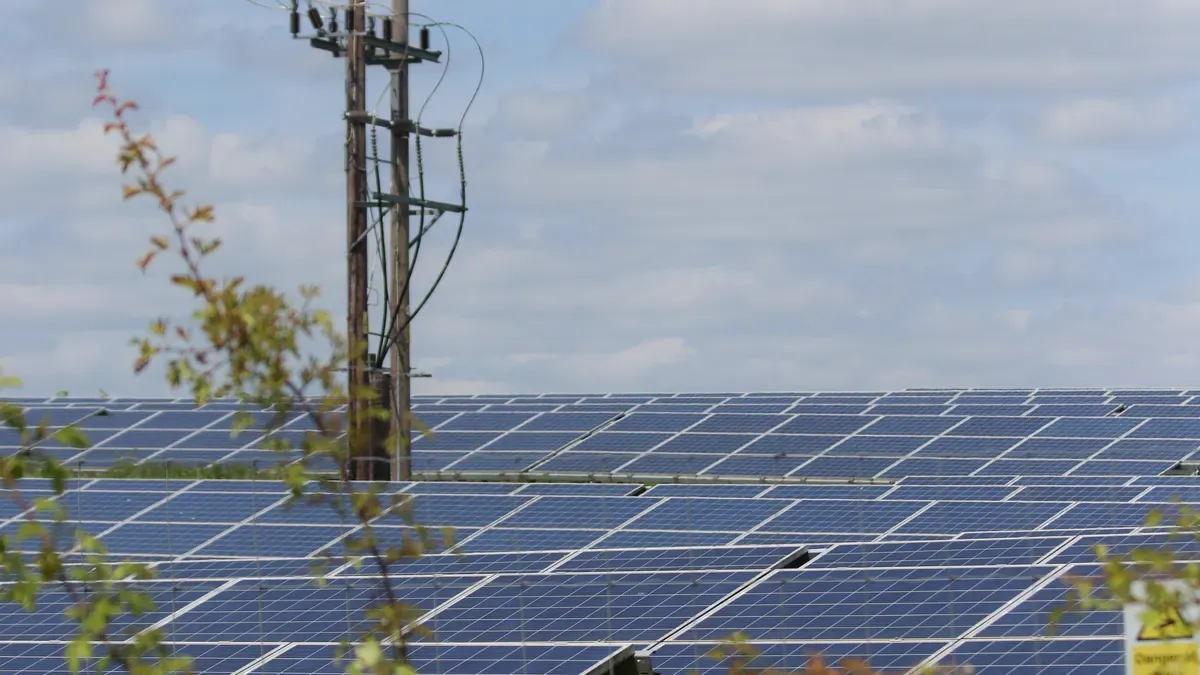
Dans les systèmes commerciaux, la gestion de l'énergie solaire repose sur une électronique de puissance avancée qui contrôle la circulation de l'énergie solaire entre les panneaux, les unités de stockage et les charges. Les onduleurs hybrides convertissent le courant continu des panneaux solaires en courant alternatif pour le réseau. Ils gèrent également la charge et la décharge des batteries, optimisant ainsi la production d'énergie solaire. Les systèmes haut de gamme atteignent des rendements supérieurs à 97 %, minimisant les pertes d'énergie. Votre système alterne entre différents modes de fonctionnement, dirigeant le surplus d'énergie solaire vers les batteries et puisant dans ces dernières en cas de besoin. Les innovations technologiques en matière de convertisseurs améliorent la densité de puissance et réduisent la production de chaleur, optimisant ainsi les performances globales.
Aspect | Description |
|---|---|
Gestion des flux énergétiques | L'électronique de puissance avancée gère le flux d'énergie bidirectionnel entre les panneaux solaires, les unités de stockage et les charges. |
Technologie des onduleurs | Les onduleurs hybrides convertissent le courant continu en courant alternatif, gèrent la charge/décharge des batteries et optimisent l'extraction d'énergie. |
Efficacité | Les systèmes haut de gamme atteignent des taux d'efficacité supérieurs à 97 %, minimisant ainsi les pertes d'énergie lors de la conversion. |
Modes de fonctionnement | Les systèmes passent d'un mode à l'autre sans interruption, dirigeant l'énergie excédentaire vers les batteries et puisant dans celles-ci en cas de besoin. |
Innovations | Les recherches ont permis d'améliorer la densité de puissance et de réduire la production de chaleur dans les convertisseurs, améliorant ainsi les performances du système. |
Vous bénéficiez de politiques de comptage net qui permettent à votre entreprise de percevoir des crédits pour l'excédent d'électricité solaire injecté dans le réseau. Les modalités de comptage net varient selon la région et le fournisseur d'énergie, ce qui influe sur le mode de rémunération.
Version avec comptage net | Description |
|---|---|
Comptage net 1.0 | Crédits pour l'électricité exportée au tarif de détail complet. |
Comptage net 2.0 | Crédits au taux de détail complet moins les frais inévitables. |
Comptage net 3.0 | Crédits basés sur le taux de coûts évités, réduisant considérablement le remboursement d'environ 75 %. |
Si votre installation solaire produit plus d'énergie solaire que votre entreprise n'en consomme, vous accumulez des crédits sur votre facture. Vous pouvez utiliser ces crédits les mois suivants. Dans certains États, les crédits sont reportables jusqu'à 24 mois, tandis que dans d'autres, ils expirent chaque année. Le comptage net groupé vous permet de partager ces crédits avec plusieurs fournisseurs d'énergie, réduisant ainsi les coûts d'exploitation pour les organisations qui ne peuvent pas installer de panneaux solaires sur leur propre terrain.
Vous équilibrez l'offre et la demande en collaborant avec les gestionnaires de réseau et les fournisseurs d'énergie. Les solutions de stockage d'énergie jouent un rôle crucial dans la gestion des fluctuations de la production solaire. Les technologies de réseau intelligent et les programmes de gestion de la demande vous aident à adapter vos habitudes de consommation et à maintenir la stabilité du réseau. Vous stockez l'énergie solaire excédentaire pendant les périodes de faible demande et la restituez lors des pics de consommation, garantissant ainsi un approvisionnement stable. Les systèmes de stockage par batteries surveillent la consommation et prévoient la demande, optimisant ainsi les cycles de charge et de décharge. Ces systèmes stabilisent l'alimentation électrique, gèrent les variations de charge et améliorent la qualité de l'énergie.
Vous comptez sur un Système de stockage d'énergie solaire par batterie Pour optimiser la gestion de l'énergie dans les projets solaires commerciaux, le stockage par batterie offre une capacité de 20 à 300 MWh, adaptée aux installations de grande envergure. Ce système permet de dissocier la production et la consommation d'énergie solaire, évitant ainsi la surproduction et garantissant la fiabilité du réseau lors des périodes de faible production. Un logiciel avancé optimise les flux d'énergie, prolongeant la durée de vie des équipements et améliorant la stabilité du réseau.
Conseil: Investir dans un système de stockage d'énergie solaire par batterie performant permet à votre entreprise de maintenir un fonctionnement sans interruption et de maximiser la valeur de votre investissement dans l'énergie solaire.
L'intégration de l'énergie solaire au réseau électrique présente des défis importants liés à la variabilité et à l'intermittence de la production. La production solaire fluctue rapidement en fonction des conditions météorologiques, de la couverture nuageuse et de l'heure de la journée. Ces variations compliquent le maintien d'un équilibre stable entre l'offre et la demande d'énergie. La variabilité de la production solaire peut engendrer des problèmes de qualité de l'électricité et de stabilité du réseau. Une chute brutale de la production solaire peut provoquer des variations de fréquence sur le réseau, menaçant ainsi sa stabilité. L'agrégation des productions de plusieurs systèmes solaires permet d'atténuer ces effets. Les systèmes agrégés présentent une variabilité moindre que les installations individuelles, facilitant la gestion des flux d'énergie et le maintien de la stabilité du réseau.
La variabilité de la production solaire peut perturber l'équilibre entre l'offre et la demande.
Le regroupement des productions de différents systèmes solaires contribue à réduire les impacts négatifs sur le réseau.
La variabilité déterministe est liée à des conditions de ciel dégagé, tandis que la variabilité stochastique provient de la couverture nuageuse.
Maintenir la stabilité et la fiabilité du réseau est essentiel pour les projets solaires commerciaux. Plusieurs défis techniques doivent être relevés lors du processus d'interconnexion solaire :
Fluctuations et régulation de la tension
Contribution au court-circuit
Îlotage involontaire
Variation et régulation de la fréquence
Besoins en puissance réactive
Pour surmonter ces difficultés, vous pouvez recourir à des stratégies avancées. Le tableau ci-dessous présente les principales solutions :
Stratégie | Description |
|---|---|
Onduleurs intelligents | Répondre rapidement aux variations de la production solaire, en soutenant la stabilité du réseau. |
Systèmes de stockage d'énergie | Stocker l'énergie solaire excédentaire pour l'utiliser lors des pics de consommation, en équilibrant l'offre et la demande. |
Réponse à la demande | Adapter la consommation d'électricité à la production solaire, améliorant ainsi la fiabilité du réseau. |
Gestion de la charge | Décaler la consommation d'énergie vers les périodes de forte production solaire grâce à des commandes automatisées. |
Évolution du cadre réglementaire | Appliquer des contrôles plus stricts de la tension et de la fréquence pour de meilleurs résultats dans le processus d'interconnexion solaire. |
Vous devez collaborer étroitement avec les fournisseurs d'énergie pour garantir un processus d'interconnexion solaire sans faille et une distribution d'énergie fiable. Ces fournisseurs utilisent des technologies de pointe, telles que des dispositifs de conformité au réseau et une surveillance en temps réel, pour assurer un flux d'énergie stable. Ils conçoivent des systèmes de protection permettant de gérer en toute sécurité plusieurs sources d'énergie. Les fournisseurs d'énergie surveillent également les opérations en temps réel et s'adaptent rapidement aux variations de la production solaire. En travaillant ensemble, vous et le fournisseur d'énergie pouvez maintenir la stabilité énergétique et garantir la résilience du réseau, même en cas de fluctuations de la production solaire.
Conseil: Une coordination efficace des services publics et des outils de gestion de réseau avancés vous aident à parvenir à une intégration solaire commerciale fiable et à une stabilité énergétique à long terme.
En déployant un système solaire intégré pour votre entreprise, vous renforcez le réseau électrique. Les onduleurs modernes des systèmes d'énergies renouvelables ne se contentent pas de convertir l'énergie ; ils fournissent des services auxiliaires essentiels qui contribuent à la stabilité du réseau. Ces services comprennent la compensation de la puissance réactive, la régulation de la tension, la réduction du scintillement, le filtrage actif de la puissance et l'annulation des harmoniques. Auparavant, seuls les grands générateurs rotatifs offraient ces fonctionnalités. Désormais, grâce à une technologie d'onduleur avancée, votre système solaire intégré peut les fournir. Vous bénéficiez également de filtres actifs, de batteries de condensateurs, du stockage par batteries et de systèmes de gestion de l'énergie. Ces fonctionnalités vous permettent de maintenir une production d'énergie fiable et d'assurer le bon fonctionnement du réseau.
Un système solaire intégré permet de réaliser d'importantes économies. De nombreuses entreprises réduisent leurs factures d'énergie jusqu'à 75 %. En moyenne, vous pourriez économiser environ 1 400 $ par mois sur vos coûts énergétiques. Le système de comptage net vous permet de revendre votre surplus d'énergie au réseau, générant ainsi une nouvelle source de revenus. Cette approche réduit non seulement vos frais d'exploitation, mais améliore également votre rentabilité. Le retour sur investissement pour les systèmes solaires commerciaux se situe généralement entre 5 et 7 ans, selon la taille du système et les aides financières disponibles. Certaines entreprises amortissent leur investissement en moins de neuf ans. Ces avantages financiers font des systèmes d'énergie renouvelable un choix stratégique pour une croissance à long terme.
Conseil: Investir dans l'énergie solaire pour votre entreprise protège vos marges bénéficiaires et stabilise vos coûts d'exploitation pendant des décennies.
En optant pour un système solaire intégré, vous réduisez votre empreinte carbone. En diminuant votre dépendance aux énergies fossiles, vous réduisez les émissions de gaz à effet de serre et contribuez à un environnement plus propre. La production d'énergie solaire fournit une source d'énergie durable pour vos activités. Cette transition vers les énergies renouvelables offre des avantages environnementaux concrets et aligne votre entreprise sur les objectifs de développement durable mondiaux. Vous produisez sur site une énergie propre et prévisible, répondant ainsi à vos objectifs financiers et environnementaux.
En choisissant un système solaire intégré pour entreprise, vous bénéficiez de fonctionnalités avancées. Ces systèmes comprennent un parc de batteries pour stocker l'énergie solaire excédentaire, des dispositifs de protection pour une sécurité optimale et un tableau de distribution pour une alimentation électrique stable. Les solutions hybrides hors réseau offrent une quasi-indépendance vis-à-vis du réseau électrique, l'absence de coûts de combustible et une production d'énergie fiable même en cas de coupure de courant. Les systèmes solaires intégrés vous aident à respecter les exigences réglementaires, à améliorer votre résilience opérationnelle et à positionner votre entreprise comme un chef de file des énergies renouvelables.
Vous parviendrez à une intégration réussie de l'énergie solaire à grande échelle au réseau électrique en suivant des étapes clés et en utilisant des technologies de pointe.
Composant/Étape | Description |
|---|---|
Dimensionnement et configuration de l'onduleur | Convertit le courant continu solaire en courant alternatif compatible avec le réseau et assure la conformité au réseau. |
Régulation de tension | Assure le bon fonctionnement du réseau électrique. |
Synchronisation du réseau | Aligne la production solaire avec le réseau électrique. |
intégration du stockage d'énergie par batterie | Assure l'équilibre entre l'offre et la demande d'électricité fiable. |
Un flux d'énergie sans faille favorise le décalage dynamique des charges et la répartition en temps réel, ce qui améliore l'efficacité opérationnelle. Vous surmontez les défis tels que la variabilité et la stabilité du réseau en investissant dans sa modernisation et dans des systèmes intelligents. Choisir un Système solaire intégré Elle confère à votre entreprise une valeur économique, une résilience et des avantages environnementaux. Envisagez l'intégration au réseau pour améliorer la durabilité et l'efficacité énergétique de vos projets commerciaux ou de grande envergure.
L'interconnexion désigne le processus de raccordement de votre installation de panneaux solaires au réseau électrique. Vous devez respecter des normes techniques et des réglementations strictes. Cela garantit un transfert d'énergie sûr et un fonctionnement fiable pour votre entreprise.
Un système raccordé au réseau vous permet d'injecter votre surplus d'énergie solaire dans le réseau. Vous pouvez ainsi bénéficier de crédits grâce au comptage net. Cette configuration optimise votre gestion énergétique et assure la continuité de votre activité lors des pics de consommation.
Vous commencez par la conception du système et la demande d'autorisation auprès du service public. Des professionnels certifiés se chargent de l'installation et des tests. Vous effectuez les démarches administratives et les inspections de raccordement. Le service public accorde l'autorisation de mise en service après vérification de la conformité et de la sécurité.
Le stockage par batteries permet d'emmagasiner le surplus d'énergie solaire produite. Vous pouvez ensuite restituer cette énergie stockée lors des pics de consommation ou en cas de coupure de courant. Cela améliore la fiabilité du réseau et contribue à la stabilité des opérations de votre entreprise.
Vous devez vous coordonner avec les fournisseurs d'énergie pour garantir une interconnexion sans faille. Ces derniers surveillent les flux d'énergie en temps réel et gèrent les systèmes de protection. Ce partenariat assure la stabilité du réseau et favorise le bon fonctionnement des installations solaires commerciales.

Ajouter :5th Floor, Building B, No.2817 Kaichuang Avenue, Science Zone, Huangpu District, Guangzhou, China


Anern Industry Group Limited Tous les droits sont réservés
.Xml | politique de confidentialité  RÉSEAU PRIS EN CHARGE
 Langue


