Quels sont les principaux avantages de l'utilisation de systèmes d'alimentation hors réseau pour les opérations industrielles isolées ?
Apr 15, 2026
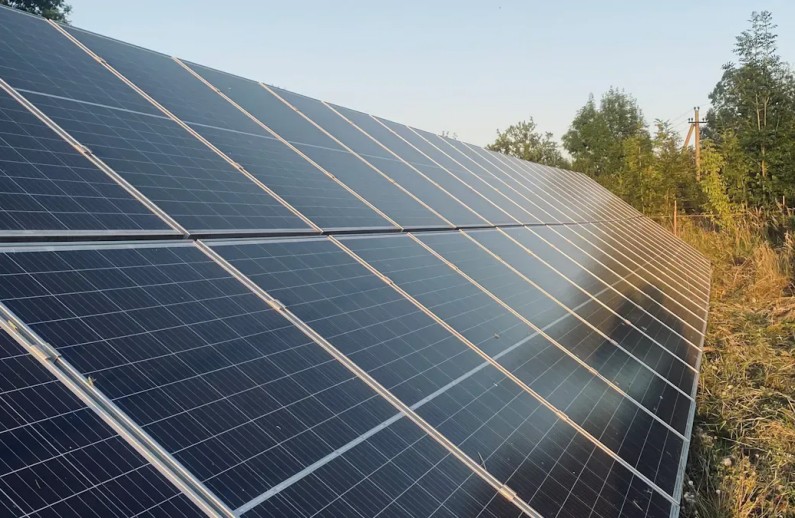
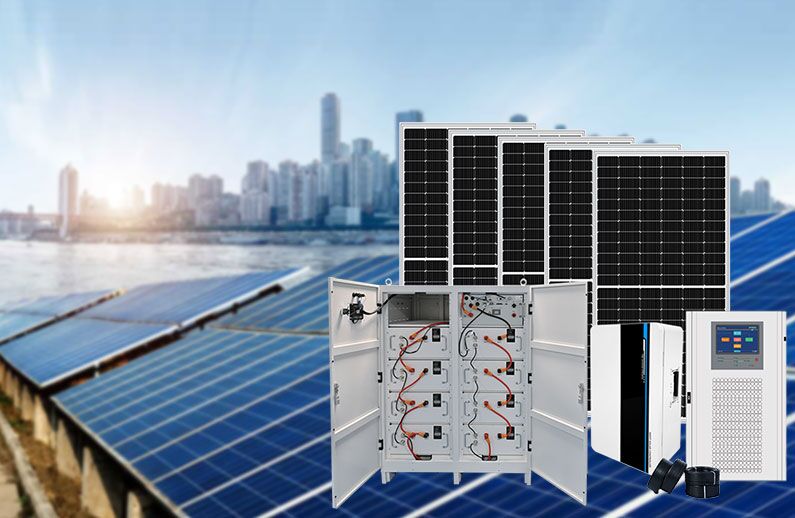
Les solutions hors réseau permettent aux sites industriels isolés d'être autonomes énergétiquement et de réduire leur dépendance aux sources d'énergie traditionnelles. De nombreuses entreprises optent pour un système d'énergie solaire afin d'assurer un fonctionnement continu et de réduire leurs coûts. Ce choix de se détourner du réseau électrique et du diesel répond à un besoin d'énergie fiable et à la volonté de diminuer les dépenses liées au carburant et à la maintenance. Les systèmes solaires hors réseau contribuent également à un environnement plus propre en minimisant les émissions de carbone et les nuisances sonores.La fiabilité demeure essentielle pour les opérations en zones isolées. Le tableau ci-dessous compare les générateurs diesel et les systèmes solaires hors réseau avec stockage : FacteurGroupe électrogène dieselSystème solaire hors réseau + stockageFiabilitéDépendant de l'approvisionnement en carburant et de l'entretienHaut (avec un dimensionnement et un rangement appropriés) Points clés à retenirLes systèmes solaires hors réseau fournissent une énergie fiable aux sites industriels isolés, garantissant ainsi le bon déroulement des opérations sans interruption.Le passage à l'énergie solaire hors réseau peut réduire les coûts énergétiques jusqu'à 70 %, permettant ainsi aux entreprises de réaliser des économies sur le carburant et la maintenance.Ces systèmes permettent de réduire les émissions de carbone et la pollution sonore, ce qui en fait un choix écologique pour les industries soucieuses de développement durable.La conception modulaire permet aux entreprises d'étendre facilement leurs systèmes solaires au fur et à mesure que leurs besoins énergétiques augmentent, garantissant ainsi flexibilité et efficacité.Investir dans l'énergie solaire hors réseau peut générer des économies importantes à long terme et un retour sur investissement élevé, souvent en 5 à 8 ans. L'indépendance énergétique grâce à l'énergie solaire hors réseauAlimentation électrique fiable pour les installations industrielles isoléesLes solutions solaires hors réseau permettent aux installations industrielles isolées de fonctionner sans interruption. Ces systèmes produisent de l'électricité grâce à des panneaux solaires et stockent l'énergie excédentaire dans des batteries. Cette configuration garantit une alimentation électrique fiable, même la nuit ou en cas de faible ensoleillement. Par exemple, une exploitation minière située à plus de 200 kilomètres du réseau électrique le plus proche a installé un système d'énergie solaire composé de panneaux photovoltaïques d'une puissance de 5 MW et d'un stockage de 20 MWh de lithium-ion. Ce projet a permis de réduire la consommation de carburant de 65 % et d'éliminer quasiment les temps d'arrêt. L'entreprise a constaté un retour sur investissement positif en moins de cinq ans. Ces résultats démontrent que les systèmes solaires hors réseau peuvent offrir à la fois une stabilité opérationnelle et des avantages financiers.Les panneaux solaires des systèmes d'alimentation hors réseau résistent aux conditions climatiques extrêmes. Les panneaux certifiés résistent à la grêle et aux vents violents. Des supports de fixation résistants aux ouragans et une conception robuste protègent les installations dans des environnements extrêmes. Le parc de batteries stocke l'énergie pour une utilisation pendant les orages ou par temps nuageux. Les systèmes bien conçus assurent le fonctionnement des équipements même en cas de panne de réseau. Les systèmes de stockage d'énergie par batteries de pointe gèrent l'offre et la demande d'énergie, garantissant ainsi une alimentation continue aux sites isolés.Les systèmes intelligents de gestion de l'énergie prévoient les besoins énergétiques et contrôlent les cycles de charge des batteries. Cette technologie contribue à assurer un fonctionnement continu et réduit le risque de pannes inattendues. Minimiser la dépendance au réseauLes solutions solaires hors réseau permettent aux entreprises d'éviter les risques et les coûts liés à la dépendance au réseau électrique. Les sites isolés sont souvent confrontés à des difficultés telles que l'instabilité du réseau ou les pénuries de carburant. Les systèmes hors réseau fonctionnent de manière autonome et ne dépendent donc pas de sources d'énergie externes. Les panneaux solaires convertissent la lumière du soleil en électricité, tandis que les batteries stockent l'énergie pour une utilisation ultérieure. Cette approche garantit la continuité des activités des installations industrielles isolées, même en cas de coupures de réseau ou de perturbations de la chaîne d'approvisionnement.Le passage à des systèmes solaires hors réseau permet également aux entreprises de réduire leurs coûts d'exploitation. En diminuant leur consommation de gazole, les sites peuvent réaliser jusqu'à 70 % d'économies sur leurs dépenses énergétiques. Les installations hors réseau contribuent également au respect de l'environnement en réduisant les émissions de carbone et les nuisances sonores. Ces avantages rendent les solutions solaires hors réseau à la fois abordables et durables sur le long terme.La surveillance à distance et les outils numériques avancés renforcent encore la valeur des systèmes hors réseau. Ces technologies permettent une maintenance prédictive et réduisent le besoin de personnel sur site. Ainsi, les entreprises peuvent optimiser l'utilisation de leurs ressources et pallier plus efficacement les pénuries de compétences locales. Économies réalisées grâce aux solutions solaires hors réseauRéduction des coûts d'exploitation et de carburantLes sites industriels isolés sont souvent confrontés à des coûts énergétiques élevés liés au transport du carburant et à la maintenance des générateurs. Les solutions solaires hors réseau permettent à ces sites de réduire considérablement leurs dépenses énergétiques grâce à l'utilisation de panneaux solaires et de batteries pour produire et stocker l'électricité sur place. Cette approche élimine le besoin de livraisons de carburant régulières et réduit le risque de fluctuations de prix. Par exemple, un site minier situé dans une région désertique isolée a réalisé une économie de 65 % sur ses coûts de carburant après l'installation d'un système d'énergie solaire. De nombreux sites font état d'économies potentielles allant jusqu'à 70 % en remplaçant leurs générateurs diesel par des panneaux solaires et des batteries.Le tableau suivant met en évidence la différence de coûts d'installation et d'entretien entre les générateurs diesel et les systèmes photovoltaïques solaires : Source d'énergieCoût d'installation (par kWh)Coût de maintenance (par kWh)Coût total de l'énergie (par kWh)Générateurs dieselCoût initial élevéÉlevée et volatileJusqu'à 0,672 $Systèmes photovoltaïques solairesGrand projet d'investissementCoûts d'exploitation minimauxDe 0,10 $ à 0,33 $ Une fois installés, les panneaux solaires fournissent de l'énergie gratuite, et les batteries garantissent une alimentation continue même en cas de faible ensoleillement. Les coûts d'entretien d'un système solaire hors réseau restent faibles, ce qui rend cette solution abordable sur le long terme. La rentabilité de l'énergie solaire apparaît clairement lorsqu'on compare les dépenses d'exploitation à long terme. Économies à long terme et retour sur investissementLes solutions solaires hors réseau offrent une rentabilité importante aux sites industriels isolés. Ces systèmes permettent d'éliminer les factures d'électricité mensuelles et de protéger les entreprises des fluctuations des prix du réseau. La baisse du coût des panneaux solaires et la conception modulaire des systèmes permettent aux entreprises d'adapter leur installation à leurs besoins, en ne payant que ce qu'elles consomment.De nombreux sites isolés atteignent le seuil de rentabilité en 5 à 8 ans, selon la taille du projet et son emplacement. Sur une période de 30 ans, le retour sur investissement peut varier de 150 % à 500 %. Le parc de batteries fournit une alimentation de secours en cas de panne de réseau ou de catastrophe naturelle, garantissant ainsi la continuité des opérations. Les économies réalisées sur la durée de vie du système peuvent atteindre 44 000 $ pour certaines installations. Les solutions solaires hors réseau offrent une énergie fiable, abordable et évolutive, ce qui en fait un choix judicieux pour une rentabilité à long terme. Impact environnemental d'un système solaire hors réseauRéduire l’empreinte carboneLes systèmes solaires hors réseau permettent aux sites industriels isolés de réduire leur impact environnemental. Ces installations dépendent souvent de générateurs diesel, qui génèrent d'importantes émissions de carbone. En optant pour des panneaux solaires et le stockage par batteries, les entreprises peuvent diminuer leur consommation de carburant et réduire la pollution.Une installation minière qui a installé 5 MW de panneaux solaires et 20 MWh de stockage d'énergie lithium-ion a constaté une baisse de 65 % de sa consommation de carburant.Les solutions solaires hors réseau peuvent réduire les coûts de carburant opérationnels jusqu'à 70 %, ce qui entraîne des réductions importantes des émissions de carbone.Aux Émirats arabes unis, la production d'énergie solaire coûte jusqu'à 75 % moins cher que le diesel, ce qui encourage l'adoption de sources d'énergie plus propres.L'énergie solaire constitue une source d'énergie renouvelable qui n'émet pas de gaz à effet de serre pendant son fonctionnement. De ce fait, les systèmes solaires hors réseau représentent un choix écologique pour les industries situées dans des zones isolées. La réduction des émissions se traduit également par une diminution de la pollution atmosphérique, ce qui profite aux travailleurs comme aux communautés locales.Les entreprises qui investissent dans des systèmes solaires hors réseau font preuve de leadership en matière de responsabilité environnementale et donnent un exemple positif à l'ensemble du secteur. Soutenir les objectifs de développement durableDe nombreux sites industriels isolés visent à atteindre des objectifs de développement durable stricts. Les systèmes solaires hors réseau contribuent à ce que ces sites réalisent des progrès tangibles vers ces objectifs. MétriqueValeurRéductions annuelles de CO250 000 tonnes métriques/siteélimination du carburant dieselDes millions de gallonsDiminution de la pollution atmosphériqueRéduction significativeDiminution de la pollution sonoreRéduction significative Les systèmes hors réseau offrent une autonomie énergétique et permettent aux communautés isolées de fonctionner sans dépendre des réseaux centralisés. Cela réduit la dépendance aux importations coûteuses de combustibles fossiles et soutient les stratégies énergétiques durables à long terme. L'utilisation d'onduleurs solaires permet même aux zones les plus reculées d'accéder à une énergie fiable, ce qui s'inscrit dans les efforts mondiaux visant à garantir une énergie abordable et moderne pour tous.En adoptant l'énergie solaire hors réseau, les entreprises peuvent se conformer aux réglementations environnementales, améliorer leur image publique et contribuer à une planète plus propre. Évolutivité et flexibilité pour les installations industrielles distantesExtension modulaire des systèmes d'énergie solaireLes sites industriels isolés ont souvent besoin de solutions énergétiques évolutives. Un système d'énergie solaire modulaire permet aux entreprises d'augmenter leur capacité au fur et à mesure de leurs besoins. Cette approche évite les rénovations complexes et les modifications majeures d'infrastructure. Les entreprises peuvent commencer par une petite installation et l'étendre progressivement en ajoutant des panneaux solaires et des batteries. Cette flexibilité garantit une adéquation entre l'offre et la demande d'énergie, sans gaspillage.Une infrastructure évolutive permet un déploiement rapide dans les zones reculées.Les panneaux solaires produisent de l'électricité sur le lieu même de consommation, ce qui améliore la fiabilité.Le parc de batteries stocke l'énergie excédentaire, fournissant de l'énergie pendant les périodes de faible ensoleillement.Les solutions solaires hors réseau fonctionnent indépendamment des réseaux électriques traditionnels. Cette caractéristique les rend idéales pour les sites où l'accès au réseau est limité ou peu fiable. L'extension modulaire réduit également les temps d'arrêt lors des mises à niveau, ce qui contribue à assurer un fonctionnement continu.Les systèmes d'énergie solaire hybrides modulaires peuvent intégrer différentes sources d'énergie, offrant des solutions sur mesure pour répondre aux exigences spécifiques de chaque projet. S’adapter à l’évolution des besoins énergétiquesLes sites industriels isolés sont souvent confrontés à des besoins énergétiques fluctuants, liés à la croissance des projets ou à l'acquisition de nouveaux équipements. Les systèmes solaires hors réseau répondent à ces défis en permettant des mises à niveau et des ajustements faciles. Les entreprises peuvent ainsi anticiper leurs besoins énergétiques futurs et adapter leurs installations en fonction de leurs besoins.Plusieurs facteurs expliquent cette adaptabilité :Les progrès réalisés dans la technologie des batteries améliorent la fiabilité et la capacité de stockage.Les innovations dans le domaine des panneaux solaires augmentent la production d'énergie et réduisent l'encombrement.Les systèmes intelligents de gestion de l'énergie permettent une surveillance et une optimisation en temps réel de la consommation d'énergie.Le soutien de la communauté et une planification rigoureuse garantissent la réussite des installations hors réseau.Les difficultés logistiques, telles que le transport et la maintenance des équipements, peuvent impacter les sites isolés. Cependant, le prix abordable des systèmes modulaires contribue à atténuer ces obstacles. Les solutions solaires hors réseau offrent une source d'énergie fiable et flexible, évolutive en fonction des besoins des opérations industrielles en zones reculées. Applications pratiques de l'énergie solaire hors réseau dans l'industrieExploitation minière et extraction des ressourcesLes sites miniers et d'extraction de ressources sont souvent situés dans des régions isolées. Ces sites nécessitent une source d'énergie fiable pour assurer une production continue. Les solutions solaires hors réseau ont transformé la gestion de l'énergie pour ces industries. Des panneaux solaires haute capacité, associés à des systèmes de batteries performants, fournissent une alimentation électrique constante, même en cas de faible ensoleillement. L'équilibrage automatique de la charge et les algorithmes prédictifs basés sur l'intelligence artificielle optimisent la capture et la distribution de l'énergie, ce qui accroît la fiabilité opérationnelle.La mine de Borden en est un excellent exemple. Après son passage à un système d'énergie solaire, elle a réduit ses factures d'électricité de 35 % dès la première année. Au bout de quatre ans, l'installation solaire était amortie. De nombreux sites miniers font état de réductions de leurs coûts énergétiques de 20 % à 40 % dès la première année. Ces résultats démontrent que les installations solaires hors réseau peuvent améliorer à la fois la performance financière et la stabilité de l'approvisionnement en électricité. Type de preuveDescriptionRéduction des coûtsLes sites miniers équipés d'installations solaires ont constaté une baisse de leurs coûts énergétiques de 20 à 40 % dès la première année.Étude de casLa mine de Borden a réduit ses factures d'électricité de 35 % dès la première année suivant son passage à l'énergie solaire.FiabilitéLes systèmes solaires modernes associés au stockage par batterie assurent une alimentation électrique continue, équivalente aux sources traditionnelles. Sites pétroliers, gaziers et de constructionLes sites pétroliers, gaziers et de construction situés dans des zones reculées sont confrontés à des défis énergétiques uniques. Systèmes d'alimentation à distance pour applications industrielles Ce système répond à ces besoins en fournissant une électricité stable sans dépendre des énergies fossiles. Des panneaux solaires et un parc de batteries alimentent les équipements, l'éclairage et les systèmes de sécurité. Ces installations créent des emplois pour les travailleurs locaux et offrent une énergie abordable aux communautés voisines.Les solutions solaires hors réseau permettent de réduire les coûts d'exploitation et l'impact environnemental.Elles renforcent l'indépendance énergétique et ouvrent de nouvelles perspectives économiques.Les systèmes d'énergies renouvelables émettent peu ou pas de gaz à effet de serre, ce qui contribue à la réalisation des objectifs climatiques.Un approvisionnement énergétique fiable améliore la productivité et la sécurité sur le chantier.Le passage à des systèmes solaires autonomes permet aux entreprises de réduire leurs dépenses et de respecter les normes environnementales. Ces avantages font de l'énergie solaire un choix judicieux pour les sites industriels isolés. Télécommunications à distanceLes tours de télécommunications et les stations de données sont souvent situées loin du réseau électrique principal. Les systèmes solaires autonomes produisent, stockent et distribuent l'énergie de manière indépendante, ce qui les rend parfaitement adaptés à ces applications. Les panneaux solaires convertissent la lumière du soleil en électricité, laquelle est stockée dans des batteries pour une utilisation par temps nuageux ou la nuit.Les systèmes hors réseau permettent d'éviter les coûts élevés liés à l'extension des lignes électriques vers les sites isolés.Ils fournissent une solution énergétique durable et abordable pour les infrastructures de communication critiques.Une alimentation électrique fiable garantit un service ininterrompu aux communautés isolées et aux services d'urgence.Les installations solaires hors réseau aident les fournisseurs de télécommunications à maintenir la fiabilité de leurs opérations et à réduire leurs coûts énergétiques à long terme. Ces systèmes favorisent le déploiement des réseaux numériques dans les régions mal desservies. systèmes d'énergie solaire industriels à distance Offrir à ces installations une source d'énergie fiable, des économies et des avantages environnementaux est essentiel. De nombreux sites constatent une amélioration de la qualité de vie et une croissance économique, comme dans des villages tels que Dharnai. Ces systèmes soutiennent les services essentiels et les entreprises locales. Les décideurs doivent examiner les conditions du site, les besoins énergétiques futurs et les difficultés d'installation. > Les experts recommandent de consulter des professionnels pour concevoir des solutions adaptées aux besoins spécifiques et optimiser la valeur à long terme. FAQQue sont les systèmes d'alimentation hors réseau ?Les systèmes d'alimentation hors réseau produisent de l'électricité indépendamment du réseau électrique principal. Ils combinent généralement des panneaux solaires, des batteries et des régulateurs. Ces systèmes fournissent une énergie fiable aux sites isolés, réduisant ainsi la dépendance aux sources d'énergie externes et favorisant des activités durables.Comment les systèmes hors réseau améliorent-ils la fiabilité ?Les systèmes hors réseau stockent l'énergie excédentaire dans des batteries, assurant ainsi une alimentation continue par temps nuageux ou la nuit. Conçus pour résister aux intempéries, ils intègrent des solutions de secours. Cette configuration garantit un fonctionnement stable des sites industriels isolés, même en l'absence de réseau électrique.Les systèmes d'alimentation hors réseau sont-ils rentables ?Oui, elles permettent de réduire les coûts d'exploitation en diminuant les dépenses de carburant et d'entretien. Bien que les investissements initiaux puissent être élevés, les économies à long terme réalisées grâce à la réduction de la consommation de carburant et à un entretien minimal rendent les solutions hors réseau financièrement intéressantes pour les industries situées dans des régions isolées.Les systèmes hors réseau peuvent-ils évoluer au rythme de la croissance de l'entreprise ?Absolument. Les systèmes hors réseau sont modulaires, ce qui permet aux entreprises d'augmenter leur capacité en ajoutant des panneaux solaires ou des batteries. Cette flexibilité permet de s'adapter à l'évolution des besoins énergétiques sans travaux majeurs, ce qui les rend idéaux pour les opérations en pleine expansion dans des zones reculées.Quels secteurs tirent le plus grand profit des systèmes d'alimentation hors réseau ?Les secteurs minier, pétrolier et gazier, de la construction et des télécommunications en zones isolées dépendent souvent de solutions hors réseau. Ces industries opèrent dans des zones isolées où l'accès au réseau électrique traditionnel est limité, ce qui rend systèmes d'alimentation électrique hors réseau industriels essentiel pour des opérations continues et durables.




 RÉSEAU PRIS EN CHARGE
 Langue


